
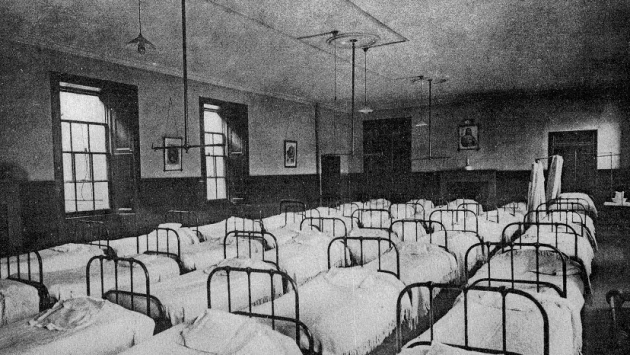
You are undoubtedly aware of the media’s latest interest in hot-bedding being a way for tenants to meet accommodation costs. While there is no reliable data on how prevalent it is,
hot-bedding in rentals does happen and here are some important information for landlords to be well aware of.
What is hot-bedding?
Hot-bedding is a practice, often in rental accommodations, whereby multiple tenants share bed(room)s in shifts. The agreement to hot-bed is
usually made between tenants and often without the landlord’s knowledge that appear on the surface to be very similar to an ordinary sub-letting agreement.
More often than not, hot-bedding arrangements will involve more occupants than that is intended for a property.
Is it illegal?
It may be. The Residential Tenancies Act is silent on the maximum number of people that can occupy a rental property. However, landlords do
have the option of specifying a maximum number of occupants on the property in the tenancy agreement*. And many do as part of their risk management
practice. Additionally the practice of hot-bedding can potentially breach fire and safety regulations especially in apartment complexes.
Why should landlords care?
You should care. Hot-bedding can lead to consequences that are detrimental to the landlord including:
- Health and hygiene of tenants such as infectious diseases and bed-mites;
- Safety and security of tenants, property and the neighbourhood;
- Potential breach of body corporate rules and fire and safety regulations;
- Wear and tear of property due to an excessive number of occupants; and
- Potential impediment to cost recovery for damages to property.
What types of property/tenant are more likely to hot-bed?
While hot-bedding is a risk for all landlords and to name specific tenant groups or types of property...