Rents Don’t Always Rise: What HUD’s New Data Tells Us About Rental Inflation in NZ
For years, investors have operated on a baked-in assumption: that rent goes up. Maybe not every month, but certainly every year. And in a high-inflation world? Even better. Or so we thought.
The latest data from the Ministry of Housing and Urban Development (HUD) flips that assumption on its head. According to HUD’s newly released rental inflation index, an adapted monthly version of the quarterly measure used in its Changes in Housing Affordability Indicators (CHAI), New Zealand’s rental market has entered negative territory.
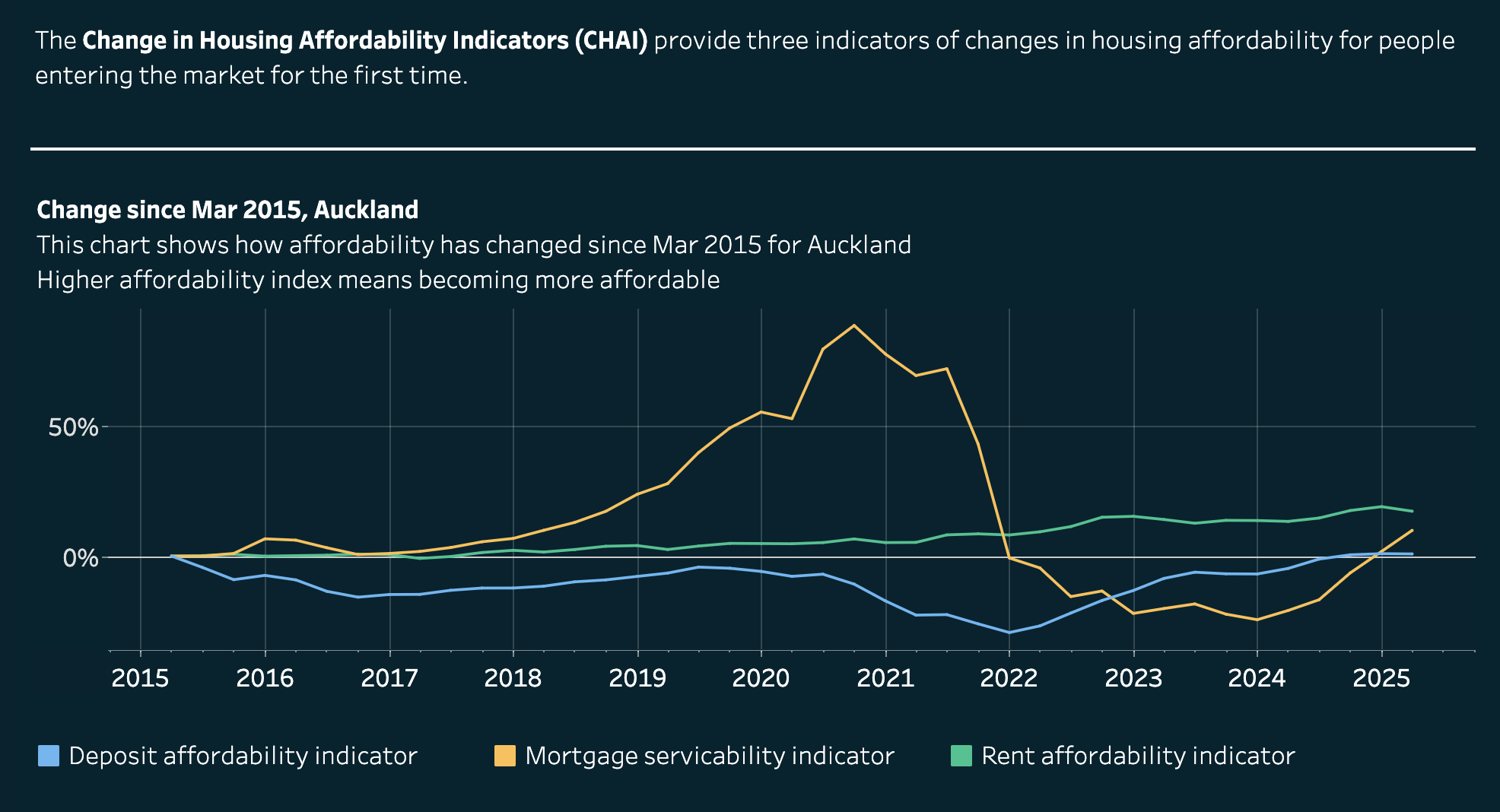
In April 2025, annual rental inflation fell by 0.7% nationwide, with Auckland (-2.4%) and Wellington (-3.1%) leading the drop. Canterbury bucked the trend slightly, still showing growth (+2.1%), but that growth has slowed. The gear is shifting and investors need to pay attention.
📉 What’s Causing the Dip?
HUD points to three key factors driving this cooling trend:
- A surge in completed builds adding rental supply
- Slower net migration, reducing immediate demand
- A high number of rental listings, giving tenants more choice and bargaining power
But dig a little deeper, and the signal gets sharper. This isn’t just a supply story. It’s a wage story.
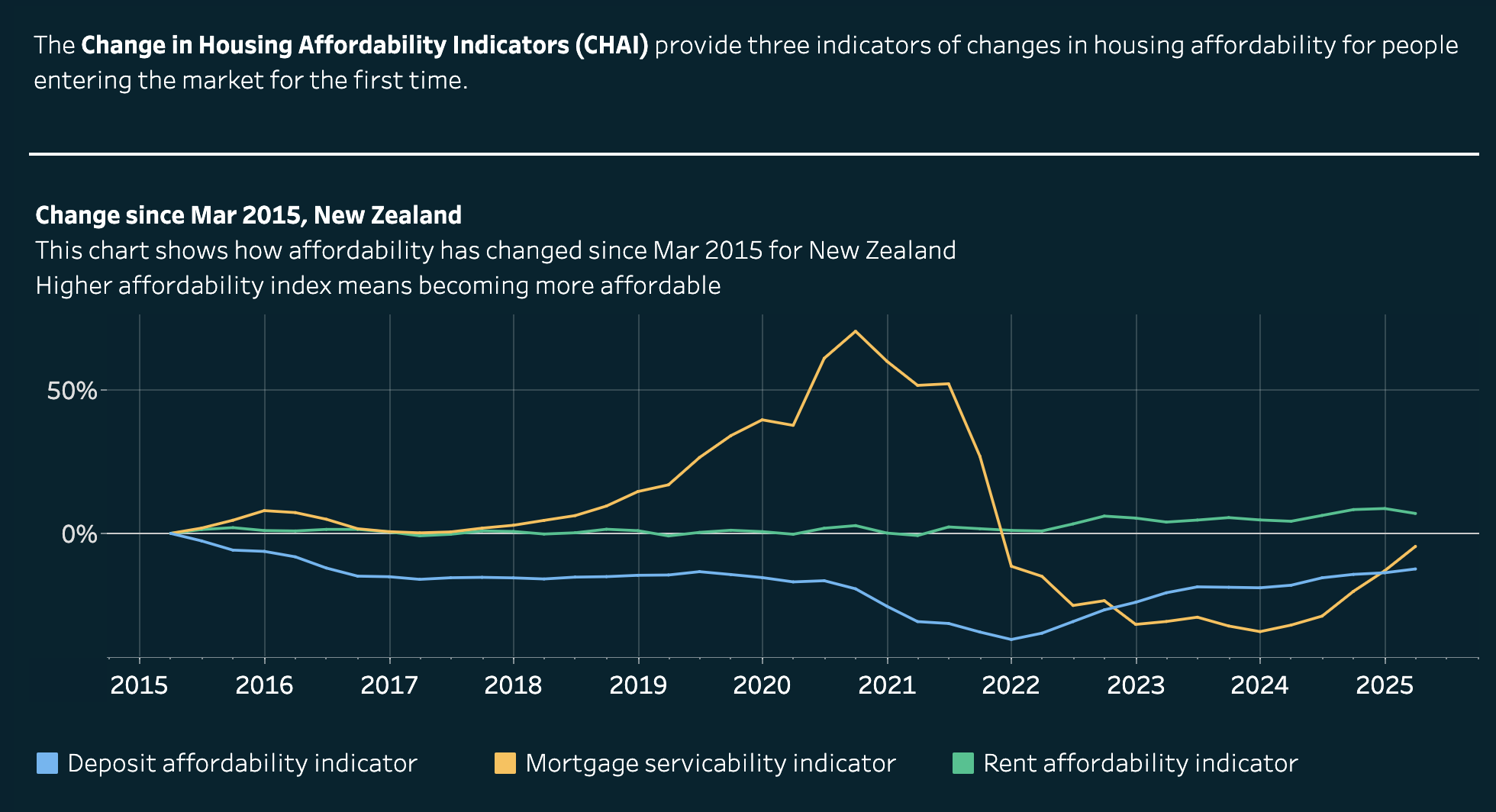
In the year to March 2025, CHAI data shows rental affordability for new tenancies improved by nearly 3%, driven largely by wage growth outpacing rents. Put simply: tenants are getting more breathing room, not because rents are crashing, but because wages are finally rising faster than inflation.
“If you are still autopiloting your rent,” says APIA General Manager Sarina Gibbon, “you’ll get lapped by other investors and dropped by your tenants.”